Tankless vs. Traditional Water Heaters in Lethbridge
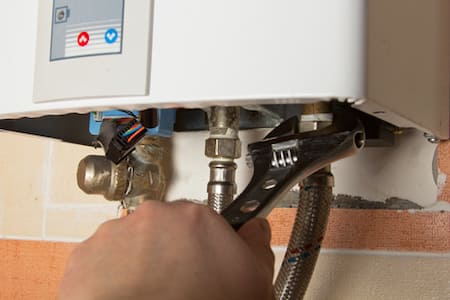
Lethbridge winters run long and cold, and that chill shows up in your tap water. If you’re weighing tankless vs. traditional water heaters for your home, it helps to look at how each option handles our climate, hard water, and everyday routines. For a deeper dive into models and features, start with our water heaters page.
Below, we’ll compare how each type heats water, supports busy families, fits into tight spaces, and stands up to local water conditions. You’ll come away with a clear, practical way to decide what fits your home and your priorities.
How Each Type Heats Water
Tankless: On-Demand Heating
Tankless heaters fire up only when you open a tap. Cold water passes through a high-powered heat exchanger and comes out hot within seconds. There’s no stored hot water to keep warm, which reduces standby losses, and units are compact enough to mount on a wall in many utility rooms or garages.
Traditional: Stored Hot Water
Traditional tank-style units heat and store a set volume of hot water, usually in the 30–60 gallon range for typical homes. As you use hot water, cold water refills the tank, and the burner or elements reheat it. The design is simple and proven, which many homeowners like for its predictability.
Hot Water Capacity and Family Routines
Peak Demand vs. Flow Rate
Think about how your home uses hot water in bursts. A traditional tank is great at delivering a strong burst for back-to-back showers or a bath and laundry at the same time, but it can run out and need recovery time. A tankless unit doesn’t “run out” in the same way, but it has a maximum flow rate; if too many fixtures run at once, water may cool, or the unit may throttle.
- If your mornings mean two showers plus a load of laundry, a right-sized traditional tank can feel effortless.
- If your schedule is staggered and you want continuous hot water for long showers, a properly sized tankless can be a great fit.
- If you host guests often or have a basement suite, consider capacity upgrades or multiple tankless units in parallel.
Match the equipment to your habits before you think about brand names or extras. A little planning around peak demand prevents lukewarm surprises.
Energy Use and Seasonal Performance
What Our Winters Mean For Efficiency
In January, incoming water is colder, so both systems work harder to reach your set temperature. Tankless heaters may reduce flow slightly to maintain temperature if demand is high on a frigid morning. Traditional tanks cycle more often to keep that stored water hot, which is where standby loss happens. Over a year, a high-efficiency tankless model typically uses less energy because it only heats water when you need it, while efficient tank models can still be a smart choice when peak demand is the priority.
Fuel Type Considerations
Many Lethbridge homes have natural gas service, which supports both tank and tankless options. Electric models exist for both types, but you’ll want to make sure your panel and breakers are up to the task for higher-draw equipment. Your installer will check venting routes for gas units and confirm combustion air and clearances.
Maintenance and Lifespan in a Hard-Water City
Scaling, Flushing, and Anodes
Hard water is common across southern Alberta, and minerals can build up inside any water heater over time. Tankless units benefit from regular descaling to keep heat exchangers clean and efficient. Traditional tanks need periodic flushing to remove sediment and routine anode inspections to help prevent internal tank corrosion. Maintenance intervals vary by usage and water quality, so a simple annual check is a good baseline.
Lethbridge’s mineral-rich water can shorten equipment life if scale is left unchecked. Ask about water treatment options and a maintenance schedule that fits your usage. A small, predictable service routine often prevents bigger problems later.
Space, Venting, and Installation Fit
Finding Room In Basements and Utility Closets
Traditional tanks need floor space, clearances, and a spot where a full tank can be replaced down the road. Tankless units save space by hanging on a wall, which is helpful in tighter basements or suites. For gas models, proper venting to the outdoors is essential, and intake/exhaust locations must be positioned to avoid snow buildup and wind effects common through our colder months. If you’re comparing models, look at vent lengths, termination options, and condensate handling as part of the decision.
When you’re mapping out space, it’s smart to review the choices on our water heaters page, then note which locations in your home provide safe venting paths and easy service access.
Total Ownership: What Matters Over 10–15 Years
Thinking Beyond the First Week
Every new water heater feels like a win on day one. The real difference shows up years later. Tankless models, when maintained, often have a longer service life and keep performance steady with good descaling habits. Tank-style models have a simpler service routine and may be less sensitive to minor maintenance delays. Either way, filter changes, occasional flushes, and a quick annual inspection help you get the most from your investment.
Noise, Comfort, and Everyday Experience
What You’ll Notice Day to Day
Most modern units are quiet, but you might hear brief burner activity from gas models or the sound of water rushing through a tankless heat exchanger when a tap opens. Many homeowners love the consistent feel of a tankless shower once the system is dialed in, while others prefer the robust, familiar delivery from a properly sized tank. If you have young kids or light sleepers, consider equipment placement and sound transmission through walls.
Choosing the Right Fit For Your Lethbridge Home
Simple Decision Path
Start with your routine: simultaneous showers and laundry favor a higher-capacity tank, while long, spread-out showers favor a right-sized tankless. Next, look at available space and venting routes. Finally, consider maintenance comfort: if you’ll stay on top of descaling, tankless can shine; if you prefer a simpler maintenance rhythm, a traditional tank may be best. If you’re unsure, talking it out with a trusted local plumbing company can clarify things fast.
Whichever way you lean, remember that sizing and installation quality matter as much as the technology itself. A careful assessment of fixture counts, expected peak usage, and utility setup will ensure the system you pick delivers the comfort you’re expecting.
Local Factors That Tip the Scale
Weather, Water, and Home Layout
Our windy winters and quick spring warm-ups create varied incoming water temperatures through the year. Multi-story layouts in West, South, and North Lethbridge can mean longer pipe runs, so a recirculation solution may be worth discussing to reduce wait times at distant taps. Homes with finished basements may prefer a wall-hung tankless to reclaim floor space, while homes with large soaker tubs might lean toward a higher-capacity tank to handle those big, occasional draws.
Plan for the coldest month, not the average day. Right-sizing to peak winter conditions helps avoid flow reductions when you need hot water most.
What To Ask Your Installer
- How will this system handle our coldest winter mornings with two fixtures running?
- What maintenance steps keep performance steady with our hard water?
- Where will the unit go, and how will venting or electrical service be set up safely?
- If we add a bathroom or suite later, what upgrade path should we plan for now?
Clear answers now prevent compromises later. A brief planning conversation can lock in years of everyday comfort.
Your Next Step
Still deciding between on-demand and storage-style water heating? Our team will walk through your home, confirm sizing, and recommend a setup that fits your routines and space.
Ready for reliable hot water in every season? Call My Service Company at 403-327-9349 to schedule a friendly, no-pressure assessment today. Prefer to compare options first? Browse our page on local water heater solutions and then book a visit when it’s convenient for you.